How Do Sulphur Bath Treatments Differ From Sulphur Soap Used for Everyday Cleansing?
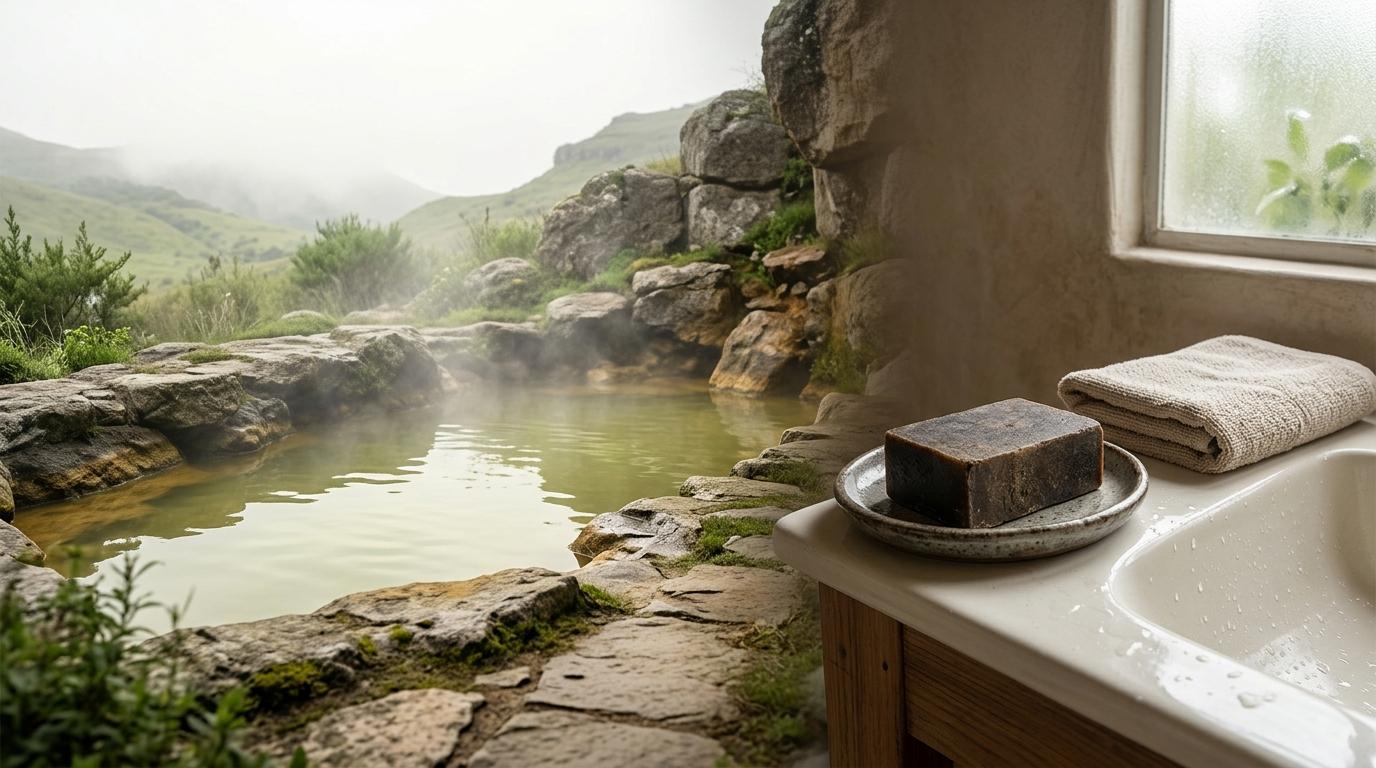
Sulphur appears in different skincare and bathing products, but the presence of the same ingredient does not make them interchangeable. A sulphur bath treatment involves bathing in water containing particular sulphur compounds or using a preparation intended to be added to bath water. Sulphur soap, on the other hand, is a cleansing product applied to the skin and rinsed away. The difference affects how each product is used, how long the skin is exposed to it and what precautions may be necessary.
What is a sulphur bath treatment?
A sulphur bath may refer to bathing in naturally occurring mineral water that contains sulphur compounds, or to a prepared bathing product intended for use in a tub. Natural sulphur-rich waters are associated with certain thermal spa settings, where the water's mineral composition and temperature form part of the bathing experience. These waters are not all identical. Their sulphur content, other minerals, temperature, and treatment conditions can vary considerably.
The phrase Sulphur for a bath therefore does not describe one standard product or a universal bathing method. A natural mineral spring, a spa treatment and a packaged bath preparation may have very different compositions. There is also no single application time or frequency that applies to every sulphur bath. If you are considering a sulphur-based bathing product, read its instructions and check whether it is intended for general bathing or a specific purpose. Do not assume that a product designed for washing the skin can be poured into bath water.
How does sulphur soap work as an everyday cleanser?
Sulphur soap is a wash-off cleansing product that contains sulphur as one component of its formula. It is generally used by wetting the skin, creating a lather, applying it gently, and rinsing thoroughly. The soap base and other ingredients also influence how it cleanses and feels. Some sulphur soaps are marketed for oily or blemish-prone skin, but the presence of sulphur alone does not establish that every bar will work in the same way.
A sulphur soap should be used according to its own label rather than treated like a bath additive or a leave-on treatment. For example, Jericho's Sea of Spa sulphur soap is a cleansing bar containing sulphur alongside ingredients such as olive oil, shea butter, avocado oil, and glycerin. Its directions describe applying the soap to wet skin and rinsing it away. If a sulphur cleanser leaves your skin excessively dry or irritated, reduce use or stop using it rather than assuming that discomfort is necessary for it to work.
Why do contact time and exposure matter?
A cleanser is usually designed for brief contact with the skin before being rinsed away. A bathing treatment involves a different pattern of exposure because the body remains immersed in the water for a period of time. The concentration of the relevant compounds, the water temperature, and the duration of contact can all influence the experience. This is one reason why a soap's directions cannot be used to decide how to prepare or use a bath treatment.
Sulphur-based products also vary in formulation. Different sulphur compounds are used in different settings, and their effects cannot be assumed to be identical. Some topical sulphur preparations have recognised dermatological uses, but that does not mean a cosmetic sulphur soap or a sulphur bath product will treat a particular skin condition. Avoid extending contact time or increasing concentration in an attempt to get a stronger result. Follow the product directions and seek medical advice if you are considering a mineral treatment for an ongoing skin problem.
Can a sulphur bath replace sulphur soap, or vice versa?
No. A bath treatment and a cleansing bar are designed for different types of use. A bath preparation is added to water or used as part of a bathing experience, while soap is applied directly to the skin and rinsed away. Even if both products contain sulphur-related ingredients, the formula, concentration, and exposure conditions may differ. Using one in place of the other could mean using it in a way that was never intended by the manufacturer.
It is also unnecessary to use both products simply because they share an ingredient. If your main goal is everyday cleansing, a suitable cleanser may be enough. If you are considering a sulphur bath as part of a spa or therapeutic routine, check the source and composition of the water or product. People with sensitive skin, open wounds or known ingredient reactions should be especially cautious. A cosmetic product should not replace prescribed treatment or professional guidance.
How does a Dead Sea salt bath compare with a sulphur bath?
A Dead Sea salt bath is another type of mineral-based bathing experience, but its main ingredients are salts rather than sulphur compounds. Dead Sea bath salts contain a mixture of naturally occurring minerals, and the exact composition differs from sulphur-rich thermal water. The way a salt product is dissolved and used also depends on the specific instructions. It should not be assumed to have the same properties or intended use as a sulphur bath.
The difference is not simply a matter of choosing one mineral over another. A bath product's complete composition, recommended amount, and directions are more important than broad labels such as mineral-rich or therapeutic. Some people enjoy mineral baths as part of a relaxing routine, but claims about treating skin conditions should be approached carefully. Evidence for mineral-water bathing varies by condition and treatment method, and research findings from specialist spa settings cannot automatically be applied to every packaged bath product.
What about Dead Sea mud products?
Dead Sea mud products are another distinct category. Mud of the Dead Sea is used in certain facial masks, body treatments, and cleansing products, but a mud preparation is not the same as a sulphur bath or sulphur soap. A mask is generally applied to a specific area and rinsed off after the time stated on the label. A mud soap is a cleansing bar that is lathered and rinsed. Their formulas and application methods are different from those of mineral bath preparations.
It is useful to think about the product format before considering its featured ingredient. A mud mask is not a substitute for a cleanser, and a mud soap should not be left on the skin for the same length of time as a mask. Likewise, a mud product should not be added to a bath unless its instructions specifically allow that use. Following the directions helps avoid unnecessary exposure and makes it easier to understand what each product is intended to do.
Conclusion
Start by identifying what you want from the product. If you need an everyday cleanser, choose a soap or wash intended for the area you want to clean. If you are interested in a sulphur bath, check whether the product is a bath preparation or whether it refers to a natural mineral-water treatment. Do not make your own mixture by dissolving sulphur soap in bath water, and never use industrial or unidentified sulphur materials on your skin.
Patch testing may help identify irritation from a new topical product, but it does not guarantee that a product will be suitable for everyone. Follow the label, avoid contact with the eyes and broken skin unless the instructions specifically allow it, and stop use if you develop persistent redness, itching, or discomfort. If you have a diagnosed skin condition or are considering bathing treatments for symptoms, speak with a healthcare professional first. Choosing products by their intended use is safer and more practical than assuming all sulphur-based treatments work alike.